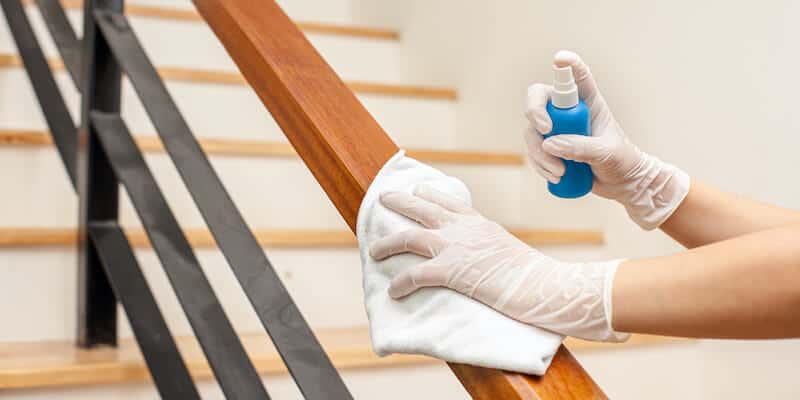
Ceramic floors are one of the most popular home upgrades today, and it’s easy to see why, ceramic tile flooring can shine bright like a star when it’s well maintained.
Thanks to their durable ceramic glaze, these tiles are not only naturally glossy but also highly resistant to moisture, making them one of the top waterproof and flood-resistant flooring choices for kitchens, bathrooms, and high-traffic areas. When the grout lines are properly sealed, ceramic tiles form a tight, protective surface that prevents water from seeping underneath.
How can I restore shine to ceramic tiles safely?Clean the tiles with a pH-neutral solution, remove residue with a microfibre mop, and apply a thin coat of tile-safe wax or polish to revive the glaze without damaging the grout.
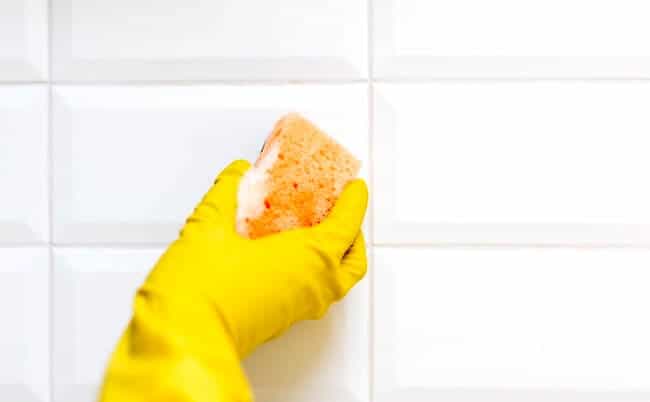
However, preserving a glossy finish on ceramic tile floors is time-consuming, as the surface needs consistent attention to stay looking new.
How to Maintain Ceramic Tile Floors Daily
Daily care is the easiest way to keep ceramic and porcelain floor tiles looking new. After installation, start maintaining the surface immediately to preserve the tile glaze and prevent dulling.
Sweep or dry-mop with a microfibre mop once a day (or at least 3–4 times per week in high-traffic areas). For quick shine, lightly mist the tiles with a pH-neutral glass or surface cleaner (around 4–6 sprays per 10 sq ft) and wipe with a clean microfibre cloth. These products work well on non-porous glazed tiles and evaporate without streaking.
If your entryway or kitchen brings in outdoor debris, increase cleaning frequency, especially during wet weather. Encourage everyone in the household to remove shoes indoors and avoid dragging dirt across the floor to protect the grout lines and glaze.
Using Tile-Safe Wax to Restore Gloss
Many people don’t realise that tile-safe floor wax can noticeably improve the shine of ceramic and porcelain tiles, especially when the glaze layer has started to look dull. Wax creates a light protective coating that enhances surface gloss and helps reduce visible scuff marks.
Before applying wax, clean the tiles with a pH-neutral cleaner and let them dry for 20–30 minutes. Apply a thin, even layer of wax using a microfibre applicator, around 1–2 tablespoons per 10 sq ft is usually enough. Allow the wax to dry for 30–40 minutes before walking on the floor.
For ongoing shine, re-apply wax every 8–12 weeks in areas with heavier foot traffic.
Gentle Cleaning With Soap-and-Water Mix
One of the easiest ways to maintain clean, glossy ceramic or porcelain floor tiles is with a mild soap-and-water solution. Regular dish soap or hand soap works well because it contains gentle surfactants that lift dirt without damaging the tile glaze.
For a quick DIY cleaner, mix 1–2 teaspoons of liquid soap with 1 litre of warm water in a spray bottle. Lightly mist the tiles, about 3–4 sprays per square metre, and wipe with a microfibre mop or soft cloth. This avoids streaks and protects both the glaze and grout lines.
Avoid abrasive tools like steel wool, which can scratch the finish; instead, use a non-scratch sponge if you need a bit more scrubbing power. This budget-friendly method is often just as effective as commercial cleaners and is safe for routine use on glazed tiles.
Lifting Stains With a Baking Soda Paste
A simple baking soda paste is an effective DIY option for tackling stains on ceramic tiles and brightening grout lines without scrubbing resorting to harsh chemicals. Mix 2 tablespoons of baking soda with a small amount of hot water until it forms a thick, spreadable paste. Hot water activates the abrasive action more effectively than cold.
Apply the paste directly to stained areas or discoloured grout and let it sit for 5–10 minutes. The mild abrasive texture lifts dirt and residue without scratching the tile glaze, helping restore the original surface shine.
After the paste has set, wipe it away with a damp cloth and allow the floor to dry completely, usually 15–20 minutes before walking on it. For a final finish, run a dry microfibre mop over the area to remove any remaining residue and leave the tiles looking renewed.
Using a Vinegar Rinse for a Streak-Free Finish
White vinegar is a surprisingly effective household cleaner for removing light stains and residue from ceramic and porcelain tiles. Its mild acidity helps break down soap scum, mineral deposits, and surface grime without damaging the tile glaze.
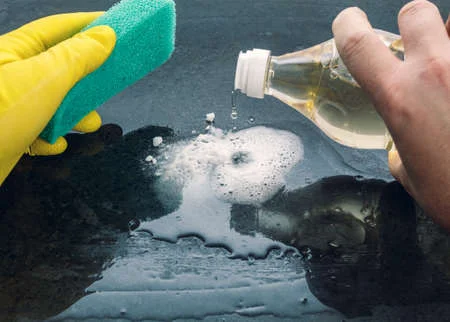
Mix 1 cup (240 ml) of distilled white vinegar with 1 litre of warm water in a spray bottle or bucket. Apply a light mist over the tiles (about 3–4 sprays per square metre)and wipe with a microfibre mop or soft cloth. Avoid using this mixture on natural stone tiles, as vinegar can etch the surface.
Allow the floor to air-dry fully for 10–15 minutes, and the tiles should regain a clean, streak-free finish.
When to Use a Floor Cleaning Machine
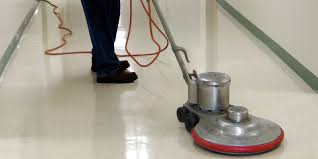
Using a floor-cleaning machine is a quick, automated way to maintain ceramic tiles, and thanks to their durable glaze layer, you can safely use different types of floor cleaning machines without worrying about surface damage.
Even basic, budget-friendly models, such as rotary scrubbers, spray mops, or compact floor scrubbers work effectively on ceramic flooring, so there’s no need to invest in high-end equipment with extra features you won’t use.